
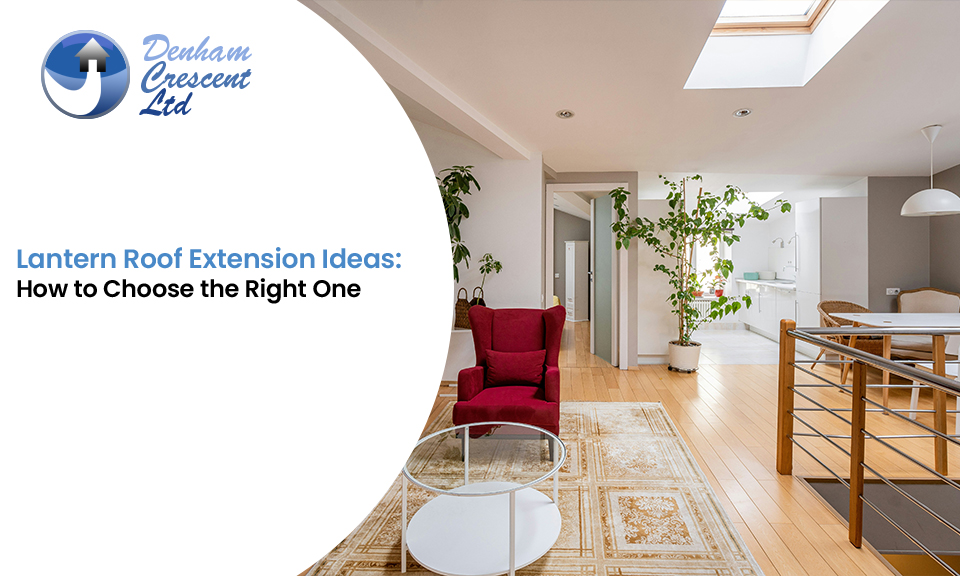
Lantern Roof Extension Ideas: How to Choose the Right One
10, Sep, 2026
You finally finish the extension, walk into the new kitchen, and notice the middle house area still feels dark. The space is bigger, but daylight has not reached where you need it. The reason is that you didn’t select the right roof in the first place. But if you are considering an extension, this blog is just the right guide for you.
These lantern roof extension ideas will help you bring in more natural light whilst managing heat, glare and ventilation. If you are considering a roof lantern for extension work, choosing the right size and position matters.
7 Lantern Roof Extension Ideas That Work
1. Centre the lantern over the kitchen island
A lantern positioned above the island creates a natural focal point and brings daylight into the busiest part of the kitchen. It works well when the extension has limited side windows.
2. Place it above the dining area
If your extension combines a kitchen and dining space, positioning the lantern over the table creates a brighter area for meals without filling the entire ceiling with glass.
3. Use a lantern in a side-return extension
Side-return extensions often have limited wall space for windows. A slim aluminium roof lantern helps bring light into the new floor area while keeping the extension feeling open.
4. Pair it with bifold or sliding doors
Large doors already bring daylight from the rear. Adding a lantern draws light down from above, helping prevent the deeper part of the room from feeling enclosed.
5. Choose two smaller lanterns
One large lantern is not the only option. Two smaller units might suit a long kitchen-diner better, especially where different areas need separate lighting.
6. Create an orangery-style extension
A lantern above a roof structure gives an extension a stronger architectural feature. This works well when you want the ceiling to feel taller without adding another storey.
7. Keep the frame slim
Modern aluminium systems offer slim sightlines and large areas of glazing. The result is more daylight with less visible framing across the roof.
How Big Should a Roof Lantern Be?
The right roof lantern size depends on the extension's proportions, ceiling height, room layout and existing windows. Think about where daylight is needed rather than covering as much roof as possible.
A large south-facing lantern also deserves extra attention. Too much direct sunlight could create glare and overheating during summer. Recent UK homeowner discussions show this is a genuine concern when choosing between one large lantern and several smaller rooflights.
Will a Roof Lantern Make Your Extension Too Hot?
A roof lantern introduces more glass than an insulated solid roof, so the glazing specification matters. Solar-control glass, suitable ventilation, and external or internal shading help manage solar gain.
Opening sections deserve attention too. Warm air rises, so high-level ventilation gives heat somewhere to escape. This is particularly useful in kitchen extensions where cooking already adds heat. Do not choose a lantern based on appearance alone. Ask about the glass, ventilation, thermal performance, and shading before making a decision.
5 Things to Check Before Choosing a Roof Lantern
1. Glazing
Ask whether the glass suits the orientation of your extension. South-facing glazing needs more attention to solar gain.
2. Thermal performance
The glass and frame both affect comfort. Building Regulations set requirements for extension work, and building regulations approval is separate from planning permission.
3. Ventilation
Opening roof sections help release warm air. This matters even more in kitchens and large open-plan rooms.
4. Roof structure
The existing roof needs to support the proposed lantern and its surrounding structure. Structural design should be considered before installation rather than after problems appear.
5. Weatherproofing
A well-designed roof needs proper drainage, flashing, seals and installation. A poor installation risks leaks regardless of how good the lantern itself looks.
Roof Lantern or Rooflight: Which Is Better?
A roof lantern creates height and becomes a visible design feature. A flat rooflight gives a lower-profile appearance and suits homeowners who want the roof to feel more understated.
Choose a lantern when you want the ceiling to become part of the design. Choose a rooflight when a cleaner, flatter appearance matters more.
Do You Need Planning Permission?
Permitted development rules apply to certain house extensions in London, but they come with specific limits and conditions. Planning restrictions, Article 4 Directions and previous planning conditions might also affect your project.
Planning permission and Building Regulations are separate matters. Your project might need one, both or neither, depending on the proposed work.
A South London Extension by Denham Crescent
Denham Crescent has experience with the wider construction work required around roof glazing. On a side and rear extension in Colliers Wood, the team created an extended kitchen area with a roof window, added a ground-floor WC, upgraded the heating system and completed further refurbishment. The project was approved by Building Control.
Denham also lists side-return kitchen extensions from £40,000, depending on the size, design and materials, with roof lanterns available as an additional option.
The company is a TrustMark partner and has a presence on Checkatrade, alongside its wider planning, design, construction and project management services.
Get the Roof Design Right Before Building
If you are planning a roof lantern for extension work in South West London, Denham Crescent provides design, planning and construction support from the early stages through to completion.
Share:
